Future Recommendations
- Technology:
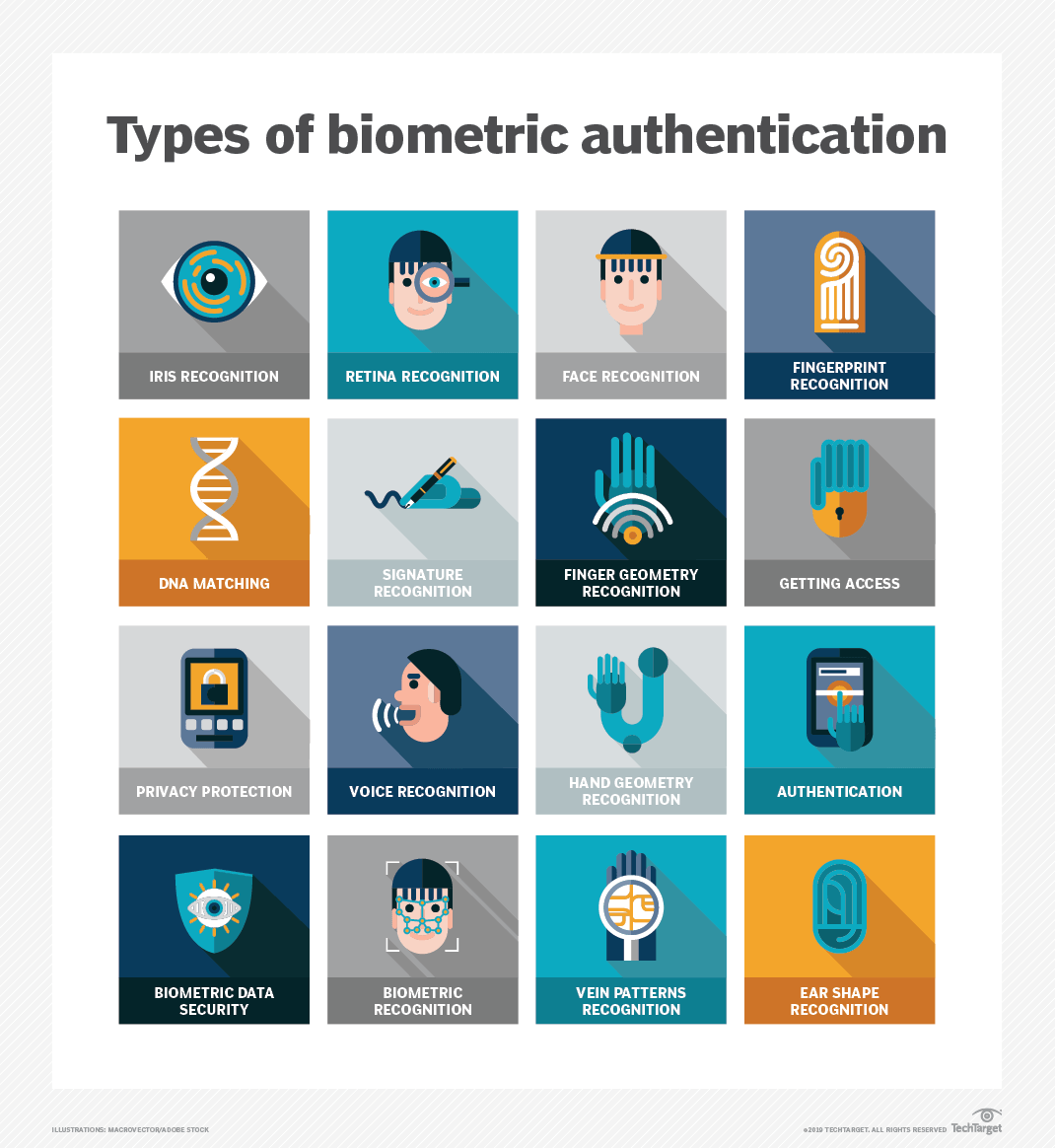
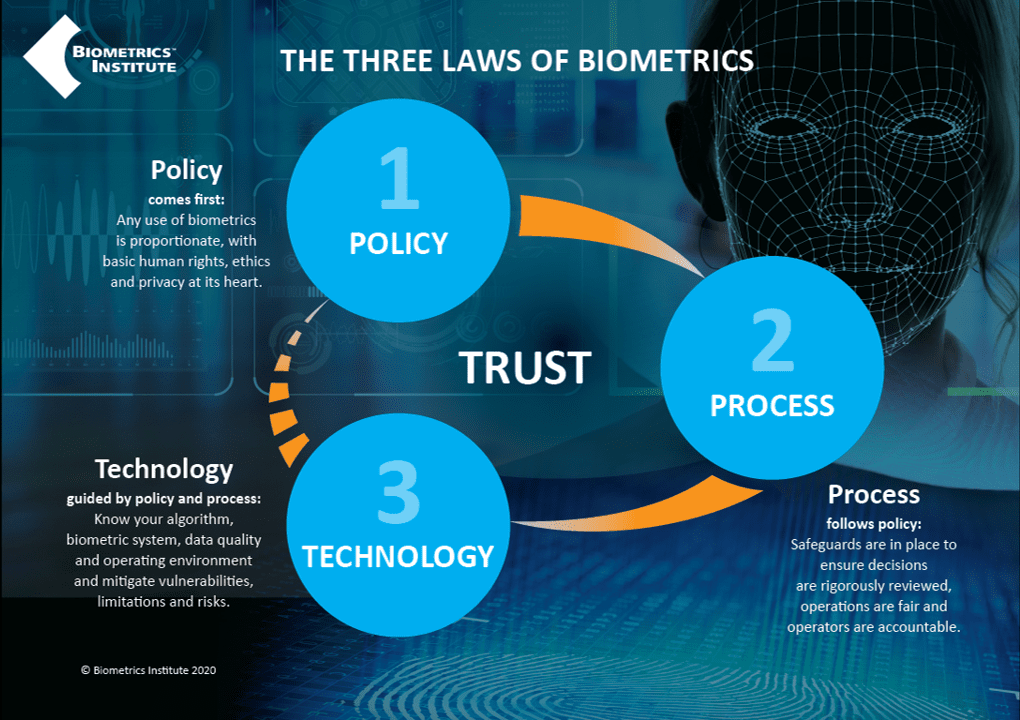
As biometric technology continues to develop, one of the most important goals should be improving fairness and accuracy for all users. Current systems still struggle to perform equally well across different racial groups, genders, and age ranges. To address this, developers need to train algorithms using more diverse data and continuously test for bias. Improving transparency around how these systems are built and evaluated is also essential. Biometric tools should work reliably and equitably, regardless of who is using them.
- Society:
Public awareness and education are key to using biometric technology more responsibly. Many people do not fully understand how their biometric data is collected, used, or stored. Schools, companies, and community organizations should play a role in helping users become more informed. In addition, individuals should have the ability to opt out of biometric systems and choose alternative methods of authentication. Giving people a real choice shows respect for their privacy and builds trust between users and technology providers.
- Policy:
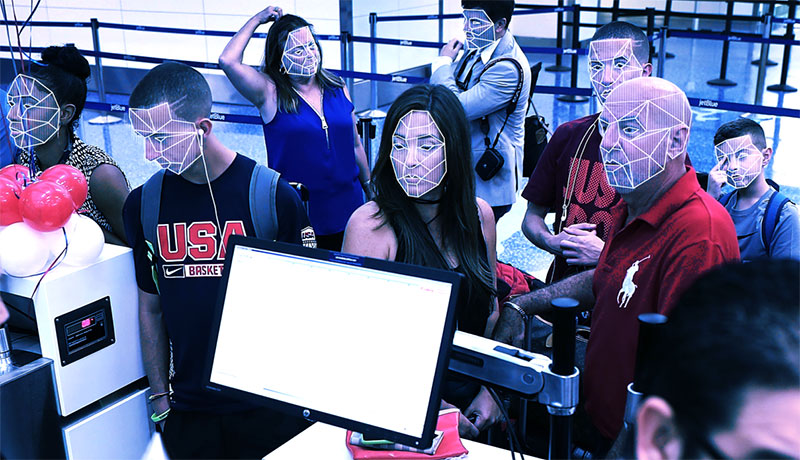
Stronger regulations are needed to protect biometric data and ensure that it is used ethically. Governments should pass clear laws that outline how biometric information can be collected, stored, and shared. These laws should include strict consent requirements so users are not unknowingly giving up their personal data. Enforcement should also be a priority, with real consequences for companies or agencies that violate these rules. Facial recognition in public spaces, especially when used by law enforcement, should be limited until there are clear safeguards in place. Responsible policy-making will help prevent abuse and protect civil liberties as the technology continues to grow.