Critical Discussion of the Technology
Social and Political Implications
Biometric technology is becoming a normal part of life, whether we realize it or not. It’s used in airports, phones, and even some schools and workplaces. But there are growing concerns about how this technology affects people’s rights. When facial recognition is used in public without people knowing, it can feel like you're being watched all the time. Some cities like San Francisco and Boston have already decided to ban facial recognition in public spaces because of these concerns. Another big issue is that the technology doesn’t always work the same for everyone. Studies have shown that it can be less accurate for people with darker skin tones, women, and older adults. That means someone could be misidentified or excluded just because of how they look. This shows that even though biometrics can be helpful, they need to be handled with care and fairness.
Ethical Perspectives
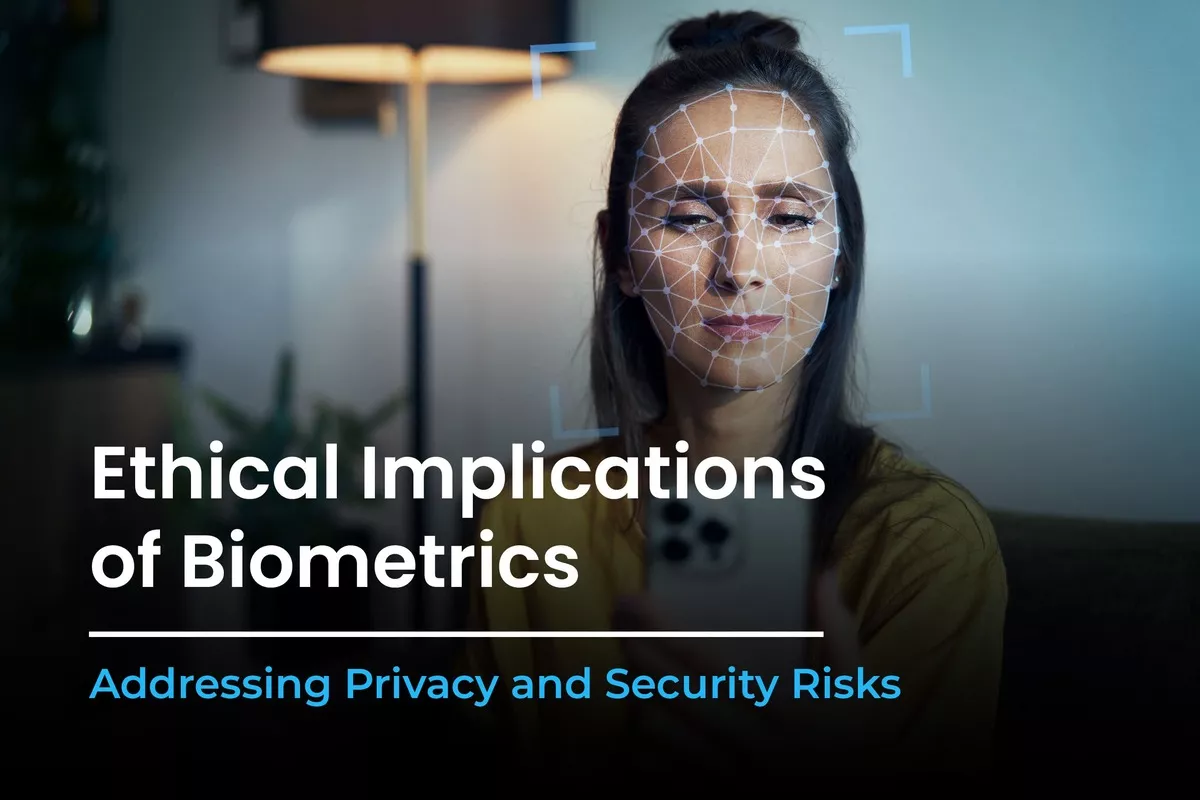
There are different ways to think about the ethics behind biometrics. Some people believe that if the technology helps more people than it hurts, then it’s okay to use it. That’s usually the case when it makes things faster or safer, like checking in at an airport or logging into your bank account. But others believe it’s not just about the benefits. It’s also about making sure people have the right to choose. A lot of the time, people don’t really know their data is being collected or how it’s being used. That’s not true consent. Also, certain groups of people could be affected more than others. For example, if surveillance tools are used more in certain neighborhoods, that can lead to unfair targeting. Thinking about ethics means thinking about real people, not just what the technology can do. That’s why it’s so important to use these systems in a way that respects privacy, choice, and fairness.